Swebeswebe
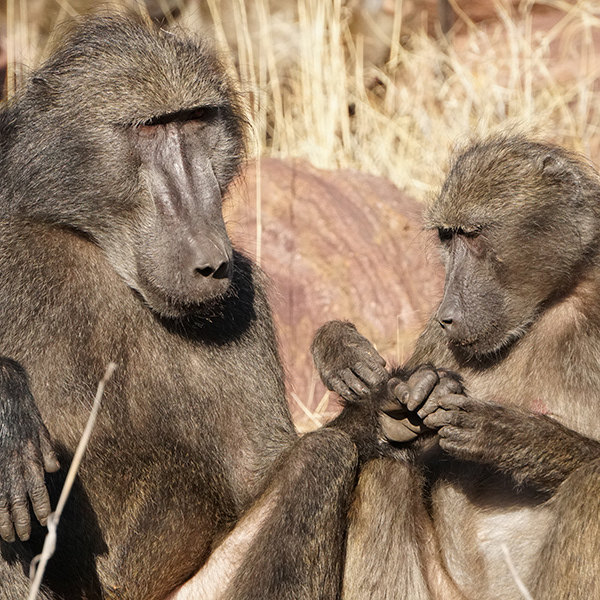
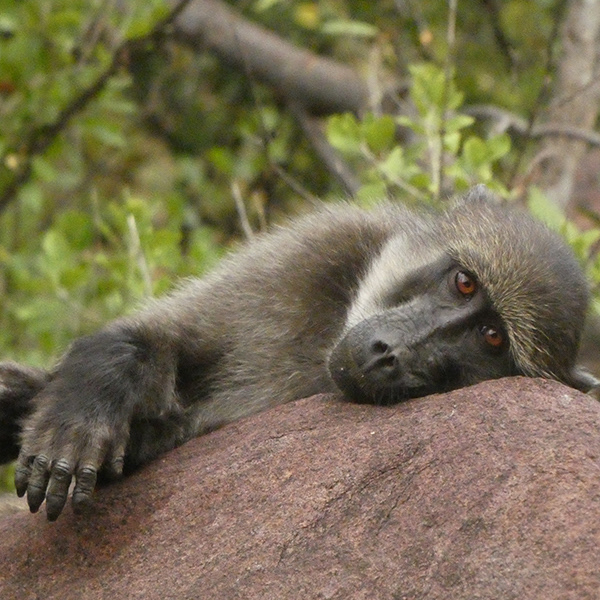
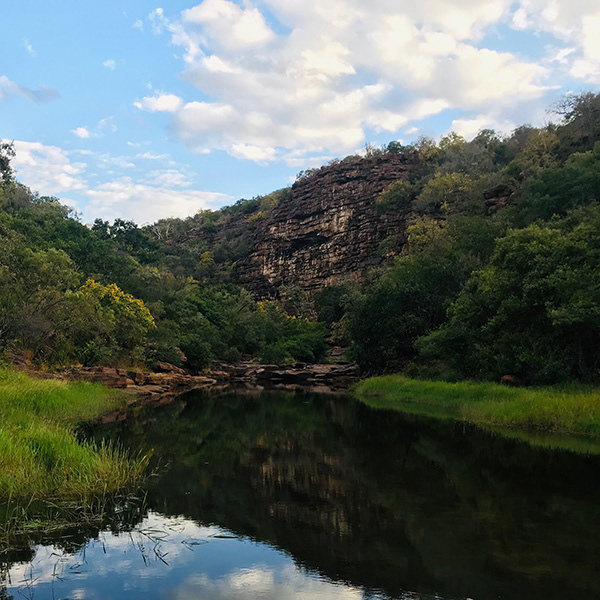
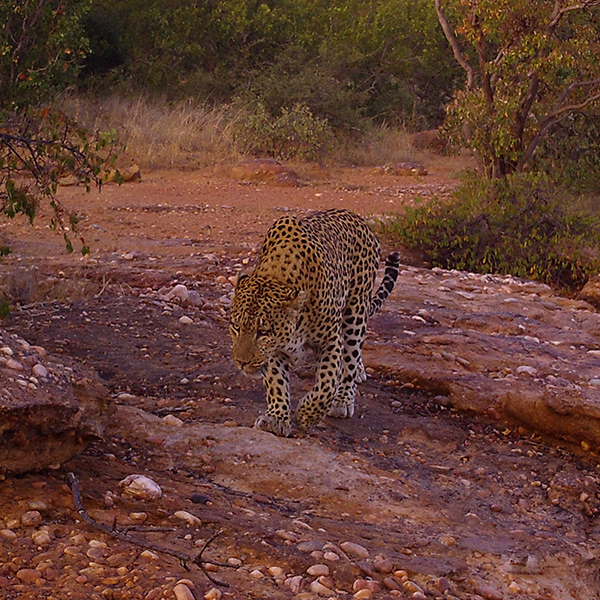
Established in 2019, the Swebeswebe Primate Project is based at the Swebeswebe Wildlife Estate in Limpopo Province, South Africa. The site hosts a diverse primate community, including chacma baboons, vervet monkeys, and bushbabies. Characterised by high climatic variability, strong seasonality, and prolonged drought, the Waterberg region provides an ideal setting for investigating how primates respond to ecological, climatic, and social stressors. The chacma baboons at Swebeswebe experience a distinctive combination of ecological pressures, including high predation risk and the use of a single, shared sleeping site. This creates a unique opportunity to examine how such constraints shape socio-spatial dynamics, and whether they promote inter-troop coordination and higher-level social organisation, potentially offering insights into the emergence of multilevel societies.
Telperion
In 2024, we established a sister project at the Telperion Nature Reserve in Mpumalanga Province, South Africa. Situated in a Bankenveld ecosystem, Telperion provides a contrasting environmental context to Swebeswebe’s bushveld habitat, enabling direct comparison of baboon populations across ecologically distinct landscapes. Together, these sites form the foundation of a growing comparative research platform, designed to examine how variation in environmental conditions shapes behaviour, physiology, and social systems. This expansion will support new opportunities for student-led research, field training, and collaborative projects, strengthening PRIME’s capacity to deliver integrative, long-term studies of primates in multiple environments.
Samara
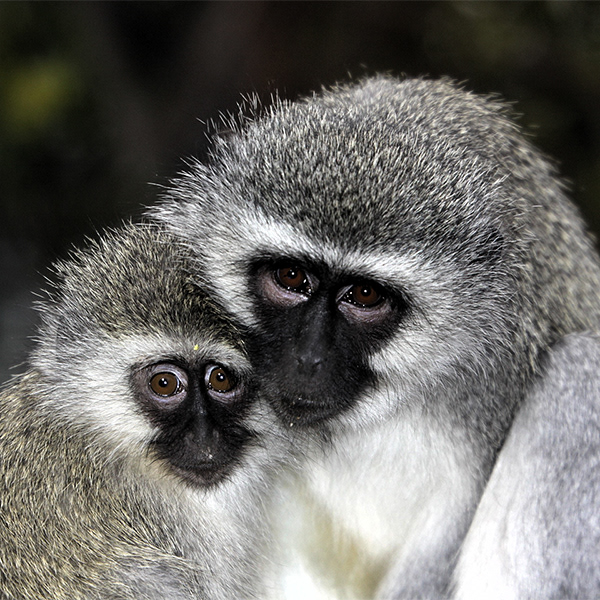
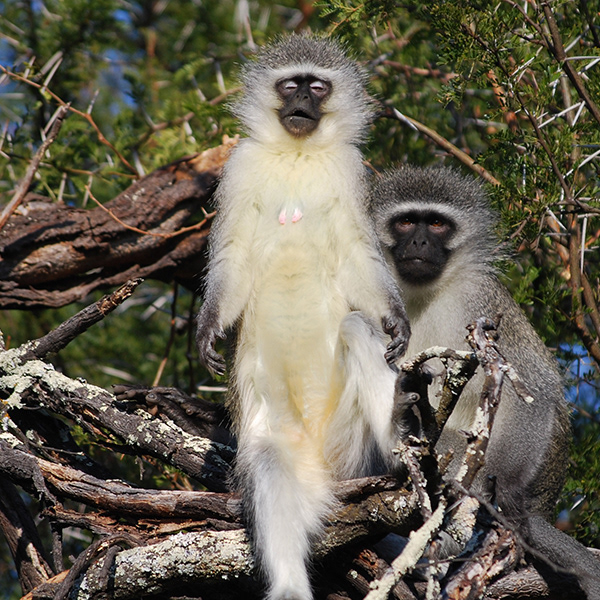
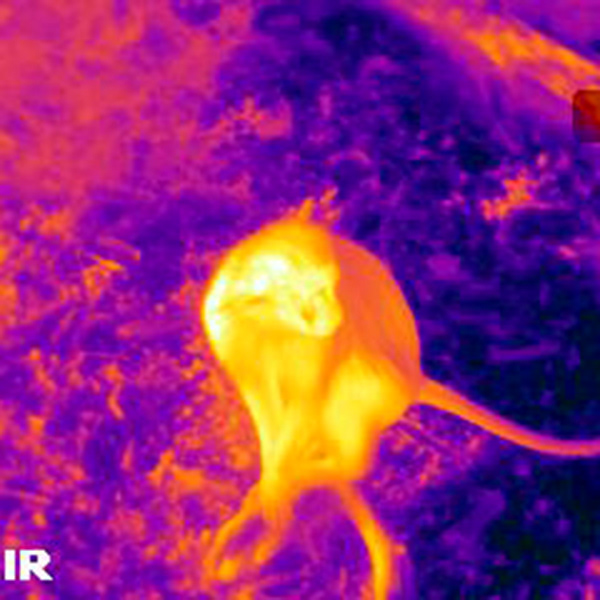
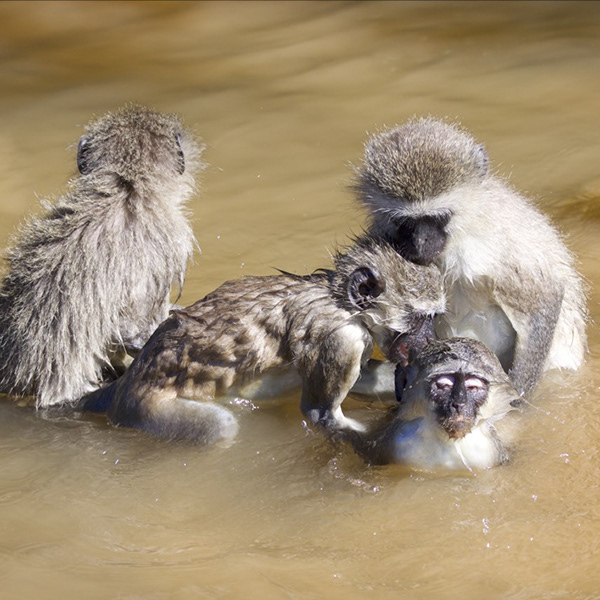
From 2010–2019, Louise Barrett and Peter Henzi directed a long-term research project on the behavioural ecology of wild vervet monkeys at Samara Private Game Reserve in the Eastern Cape, South Africa. This programme included a major interdisciplinary, collaborative thermal physiology project, co-led by Richard McFarland, which generated an unparalleled dataset of continuous core body temperature alongside behavioural and environmental measures, providing new insights into how social and ecological factors shape thermoregulatory performance. From 2017–2019, this work was complemented by a parallel study of chacma baboons at Samara. Together, these projects established a comparative framework for understanding behavioural and physiological adaptation in closely related primates living in challenging and variable environments.